


Effective Strategies for Raising Bilingual Kids in a Multilingual World
- Helen Peguero
- Feb 3
- 2 min read

Raising children who speak two or more languages fluently offers lifelong benefits. Bilingual kids often show greater cognitive flexibility, improved problem-solving skills, and a deeper appreciation for different cultures. Yet, parents face real challenges when trying to nurture multiple languages at home. How can families create an environment where bilingualism thrives naturally and confidently? This post explores practical strategies to support children’s language development in a multilingual world.
Create a Consistent Language Routine
Children learn best when they experience regular exposure to each language. Consistency helps them associate specific languages with certain people, places, or activities. For example:
Assign one parent to speak only one language and the other parent to use the second language.
Use one language during mealtimes and the other during playtime.
Establish specific days or times for each language, such as weekends in one language and weekdays in another.
This clear structure reduces confusion and encourages children to switch between languages naturally.
Use Immersive and Interactive Methods
Passive exposure, like hearing a language occasionally, is not enough. Children need active engagement to build vocabulary and confidence. Try these approaches:
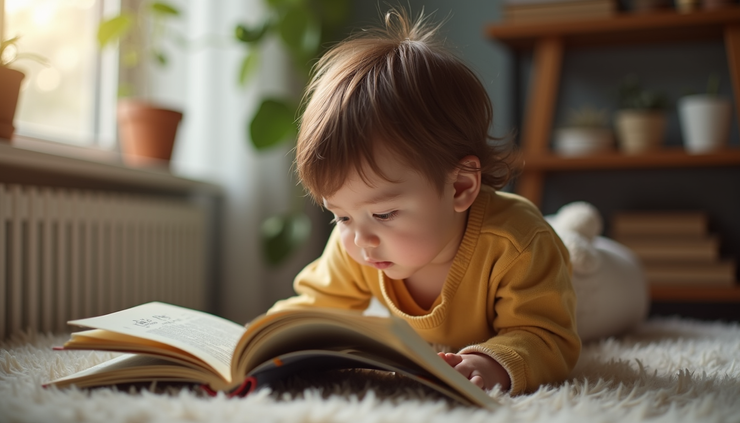
Read bilingual books together, asking questions and discussing the story.
Watch age-appropriate shows or listen to songs in the target languages.
Play games that require using both languages, such as matching words or role-playing.
Interactive activities make learning fun and meaningful, helping kids connect words to real-life experiences.
Encourage Social Interaction in Both Languages
Language thrives through communication. Encourage your child to interact with native speakers or other bilingual children. This can happen through:
Playdates with children who speak the target language.
Community events, cultural festivals, or language classes.
Virtual conversations with family members or friends living abroad.
Social use of language builds practical skills and motivates children to improve.
Be Patient and Celebrate Progress
Language learning is a gradual process with ups and downs. Children may mix languages or prefer one over the other at times. This is normal and part of developing bilingual skills. Parents should:
Avoid correcting every mistake; instead, model the correct usage gently.
Praise efforts and milestones, no matter how small.
Share stories of bilingual adults who have succeeded to inspire confidence.
Positive reinforcement helps children feel proud of their bilingual abilities.
Use Technology Wisely
Technology offers many tools to support bilingual learning, but it requires careful selection. Choose apps, videos, and audiobooks designed for language learners that emphasize vocabulary and pronunciation. Limit screen time and balance it with real-world practice.
Maintain Cultural Connections
Language and culture are deeply linked. Exposing children to cultural traditions, holidays, music, and food related to each language strengthens their identity and motivation. For example:
Cook traditional meals together while using the target language.
Celebrate cultural holidays and explain their significance.
Share stories or history related to the languages spoken.
This cultural context enriches language learning and makes it more relevant.
Adapt Strategies as Children Grow
Language needs change as children develop. Younger kids benefit from more play-based learning, while older children may need structured lessons or reading materials. Stay flexible and adjust your approach based on your child’s interests and progress.


Comments